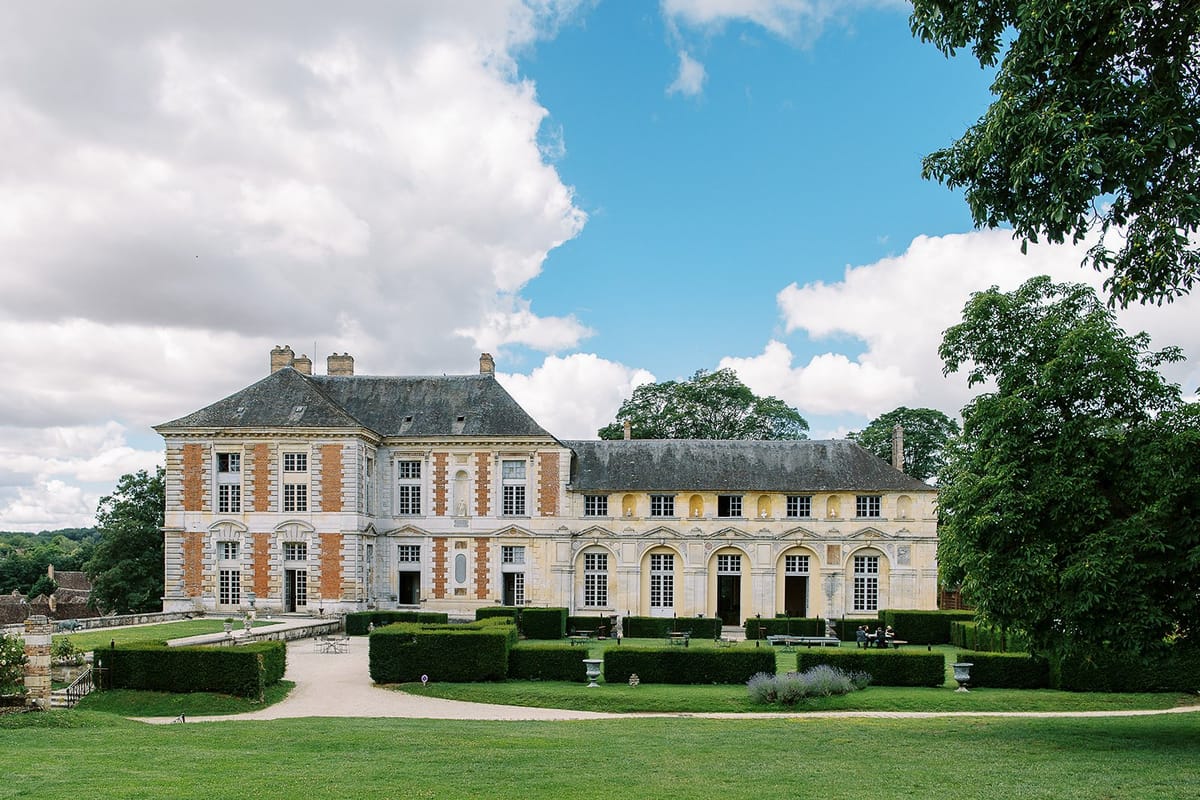
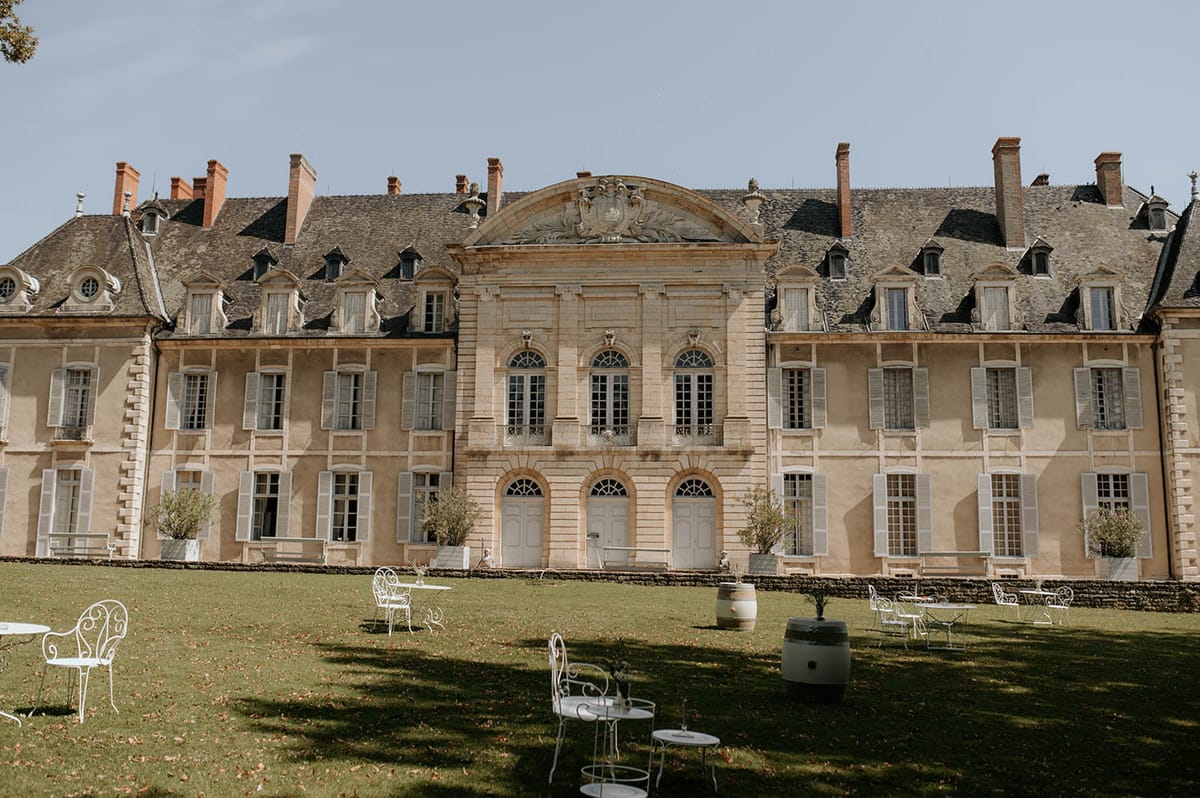
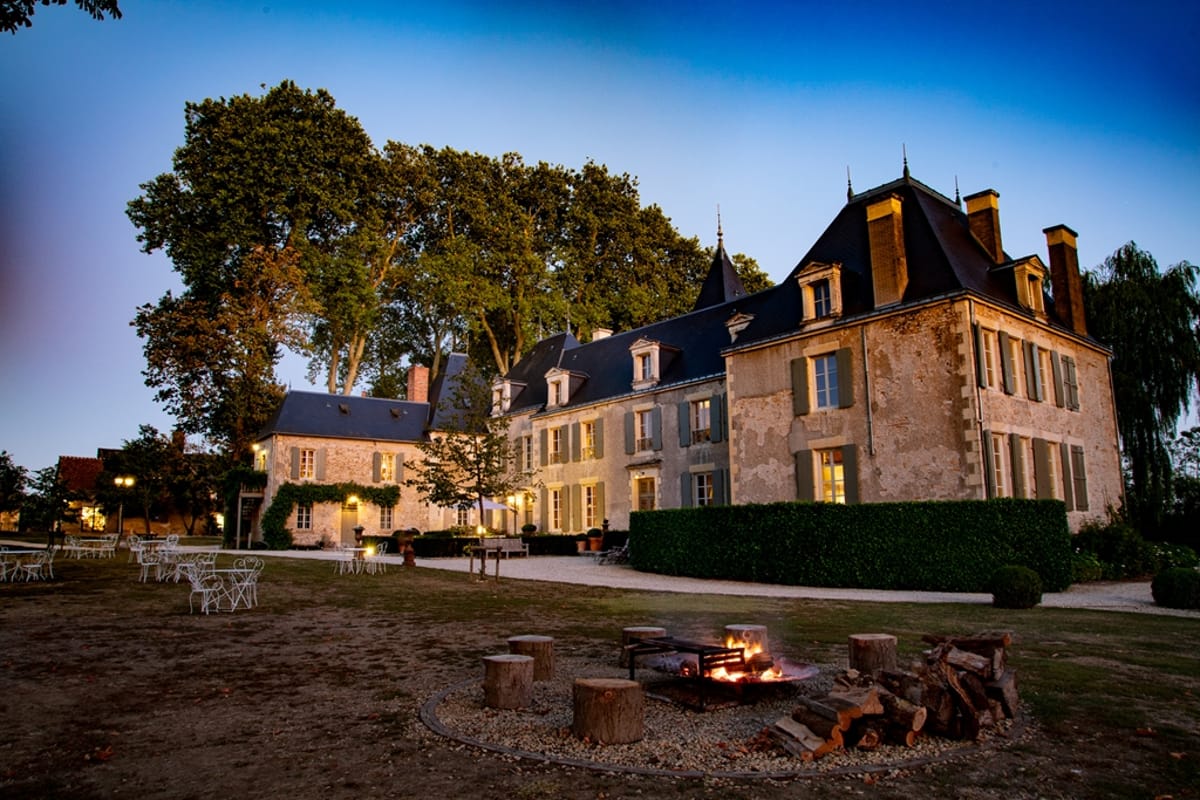
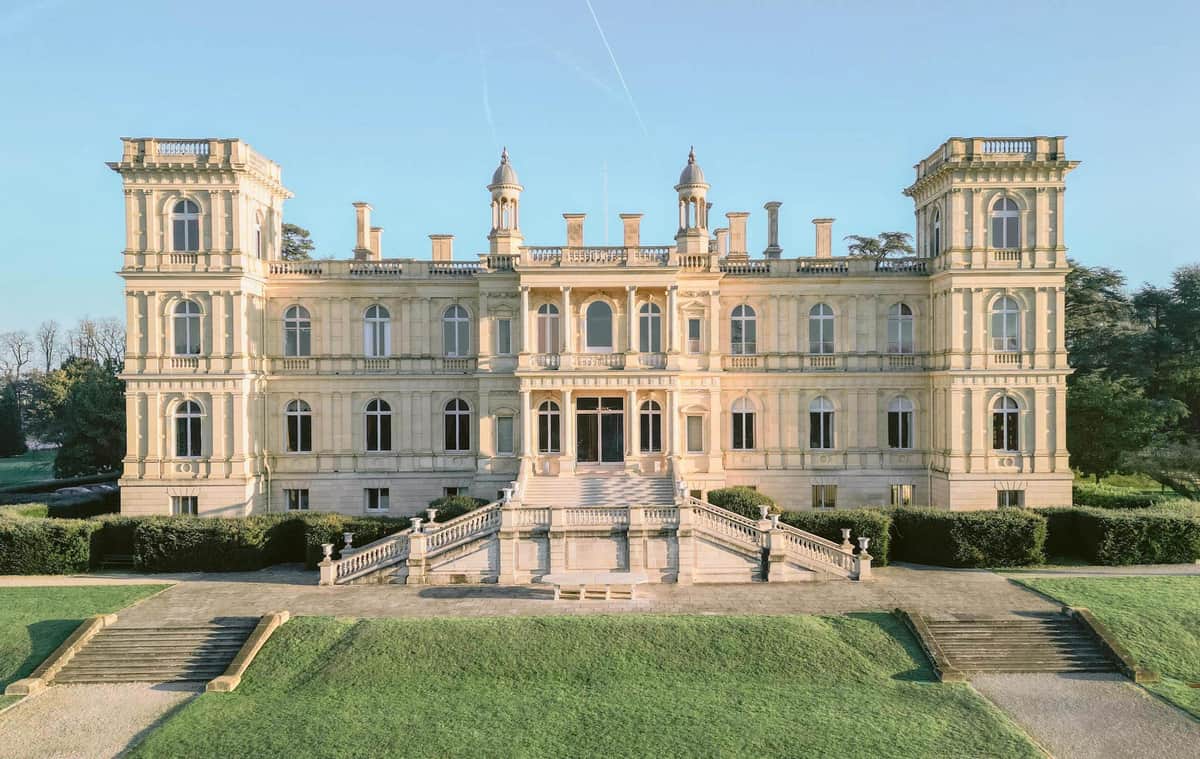
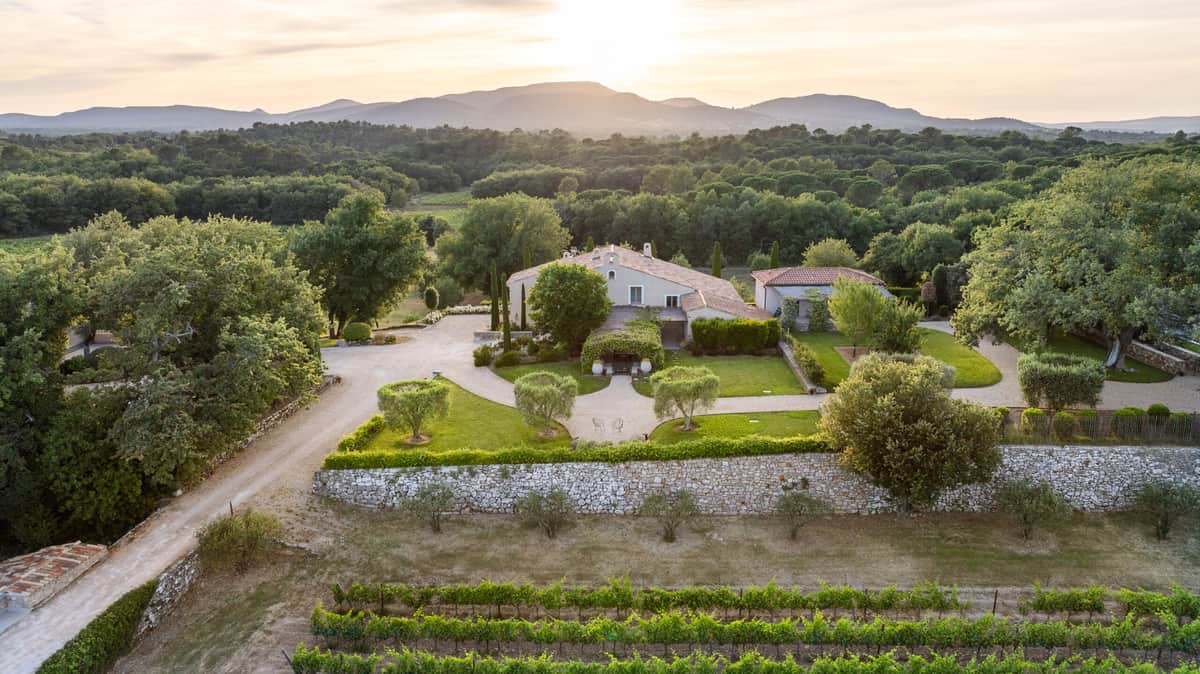
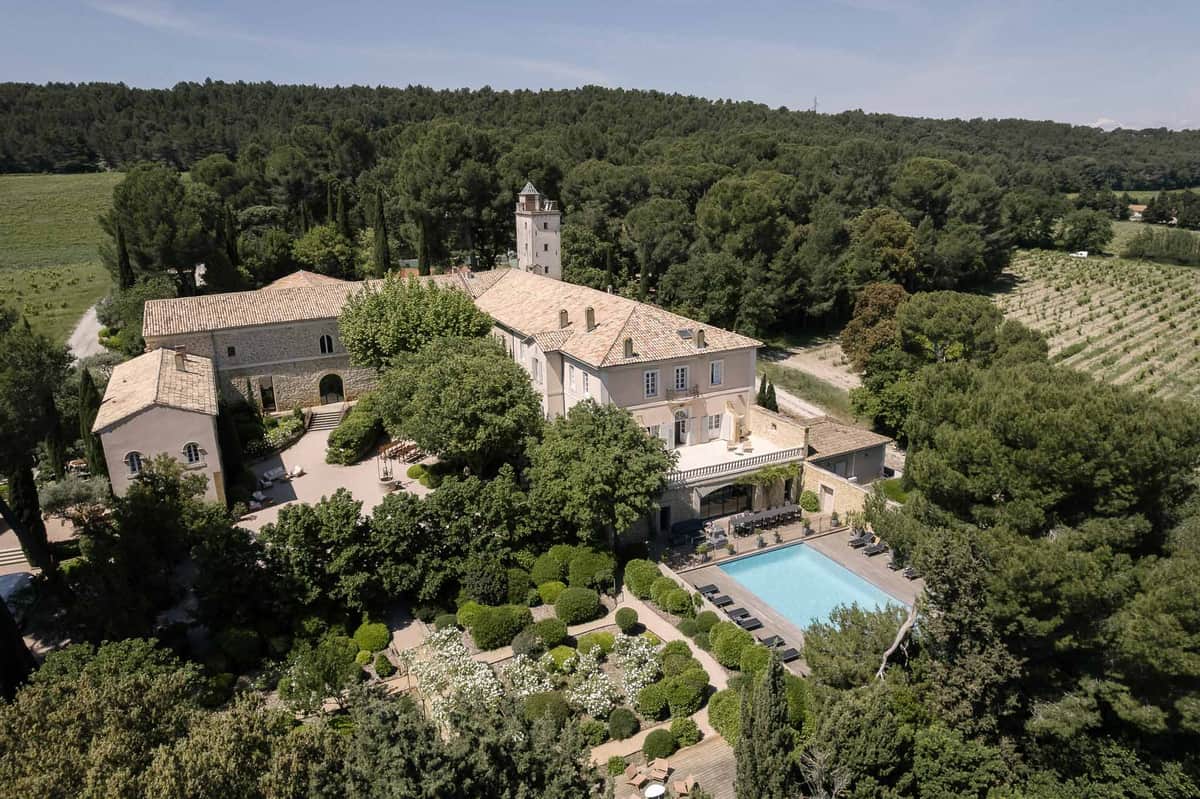
A Burgundy wedding venue is differentiated by three structural axes. The first is wine-region adjacency: estates that themselves produce wine (Varennes with its 100-acre vineyard near Romanée-Conti) and estates that sit 10-15 minutes from celebrated appellations (Maizières 10 minutes from the grands crus of Meursault, Pommard, and Puligny-Montrachet) carry a different cultural style from estates that use the broader Burgundy-Champagne-Loire wine-country adjacency (Vitry-la-Ville, Du Fey). The 10 estates here split 2 working-wine + 5 wine-region-adjacent + 3 historical-heritage-led.
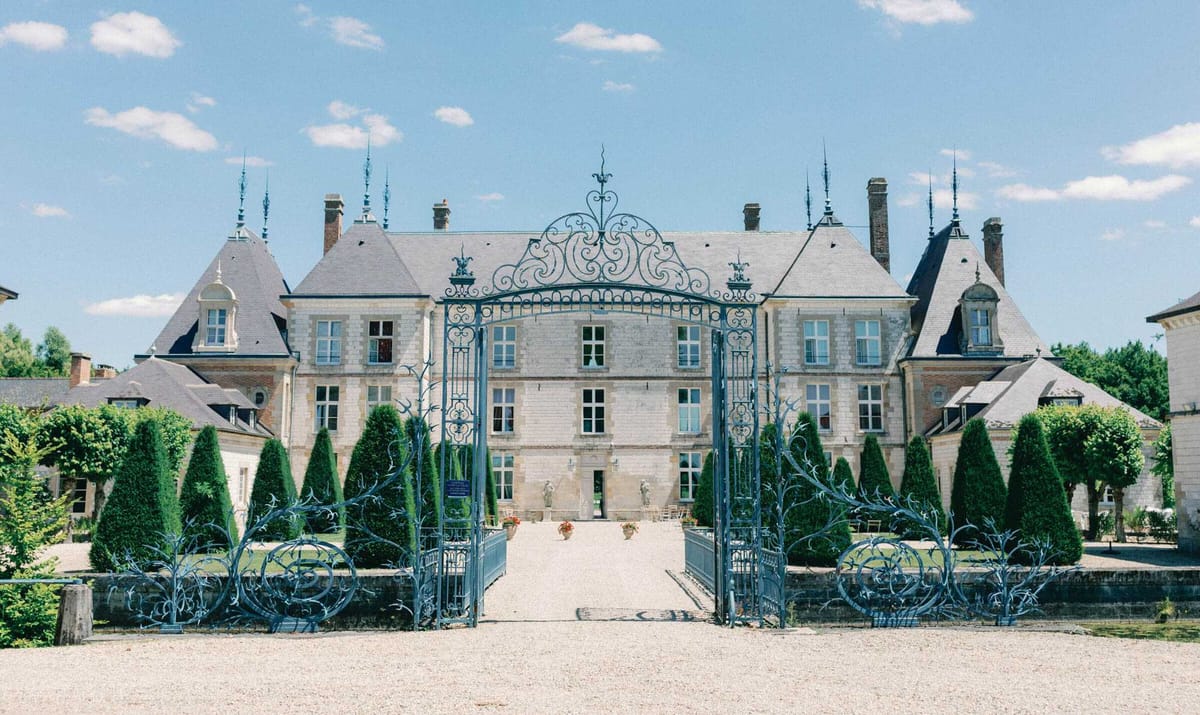
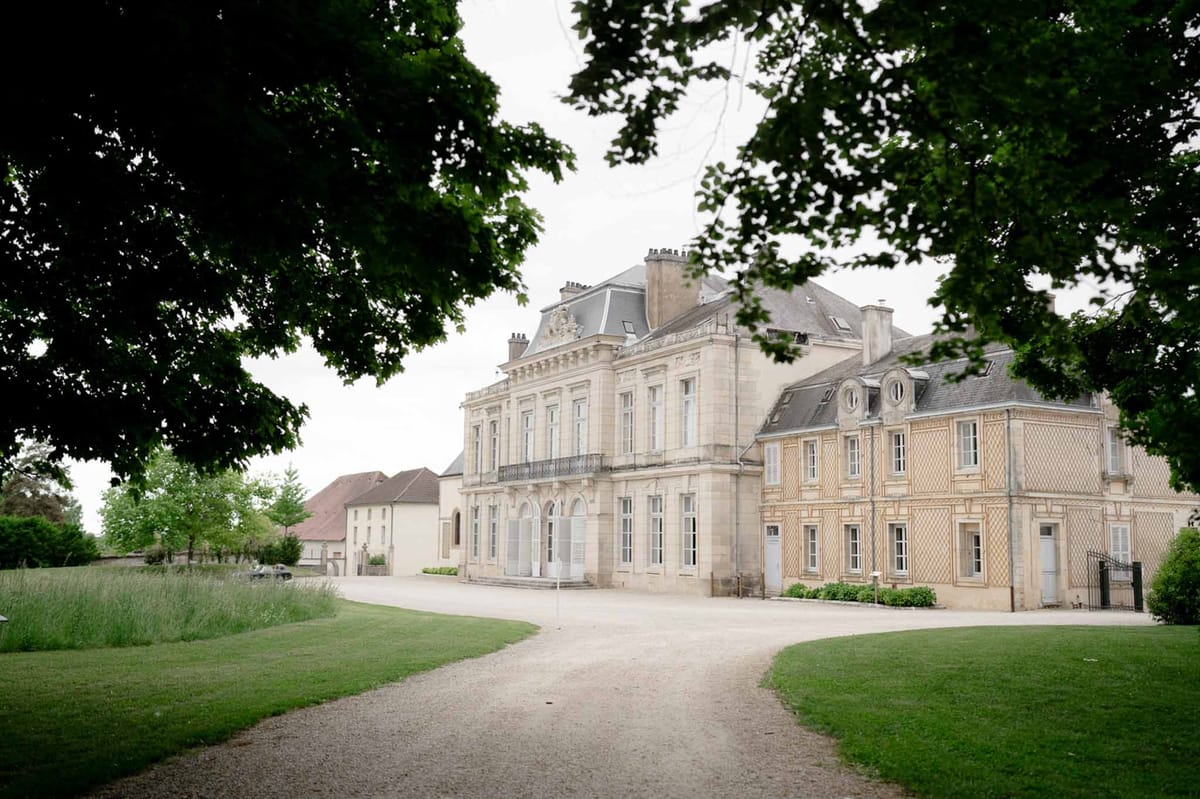
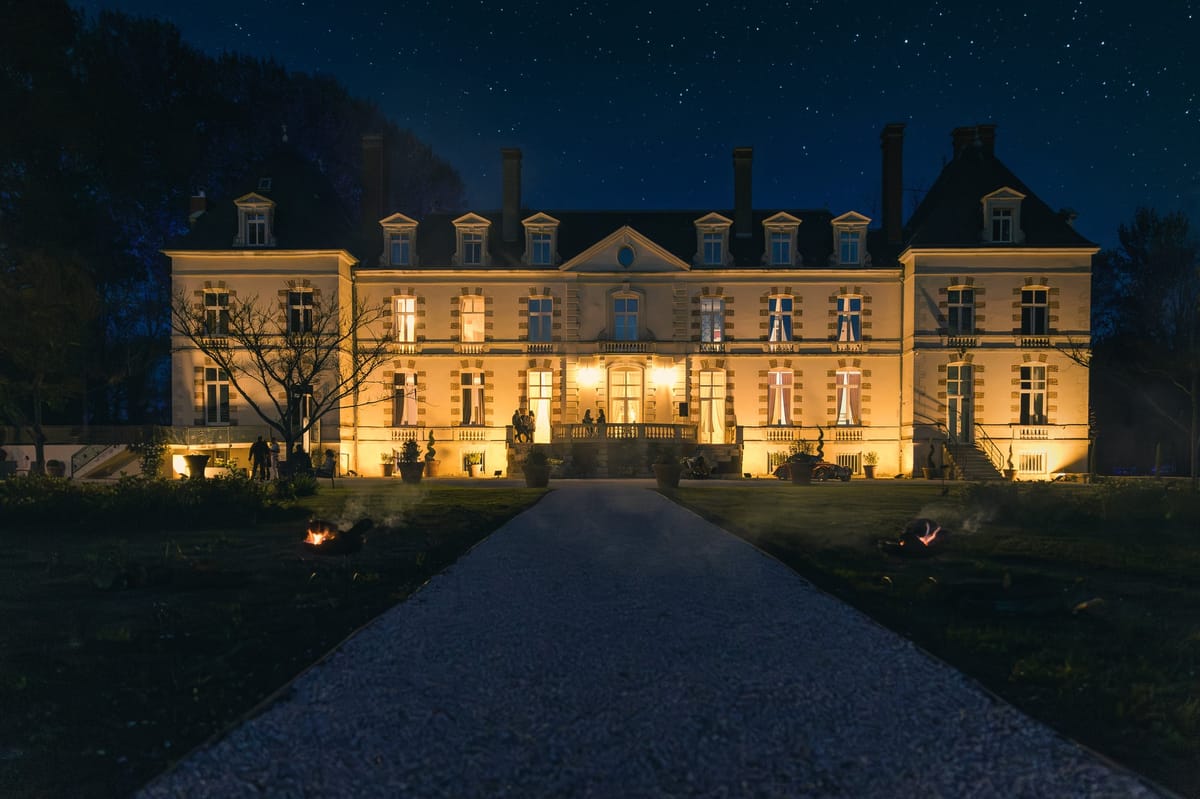
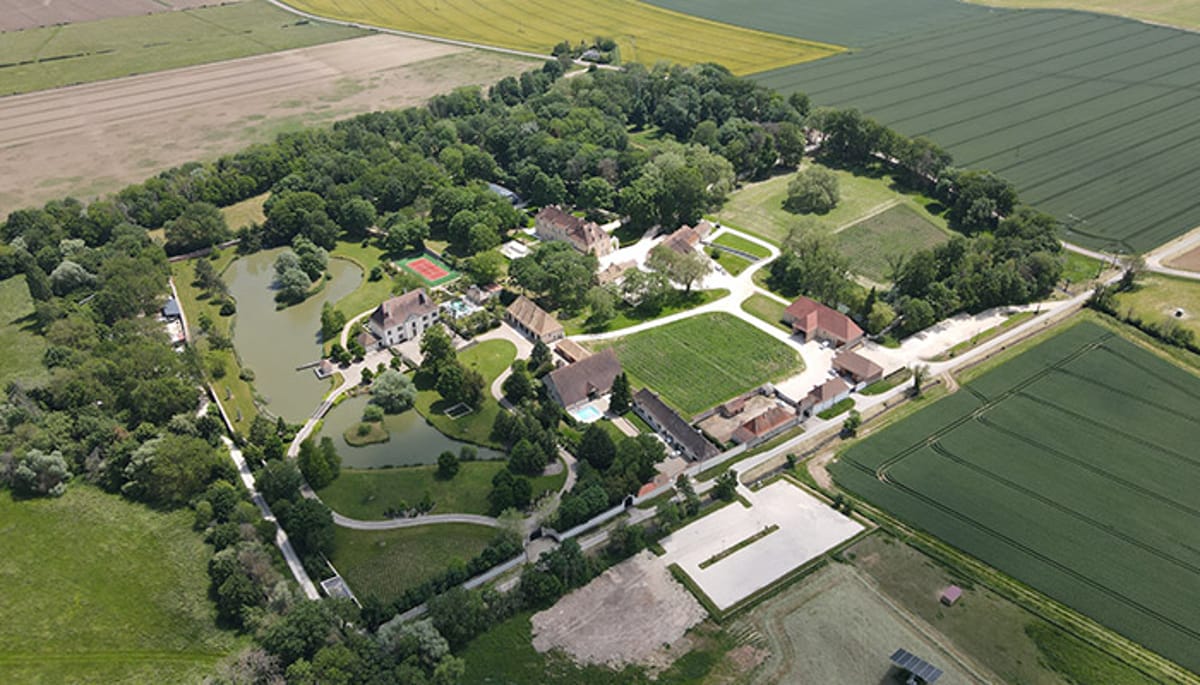
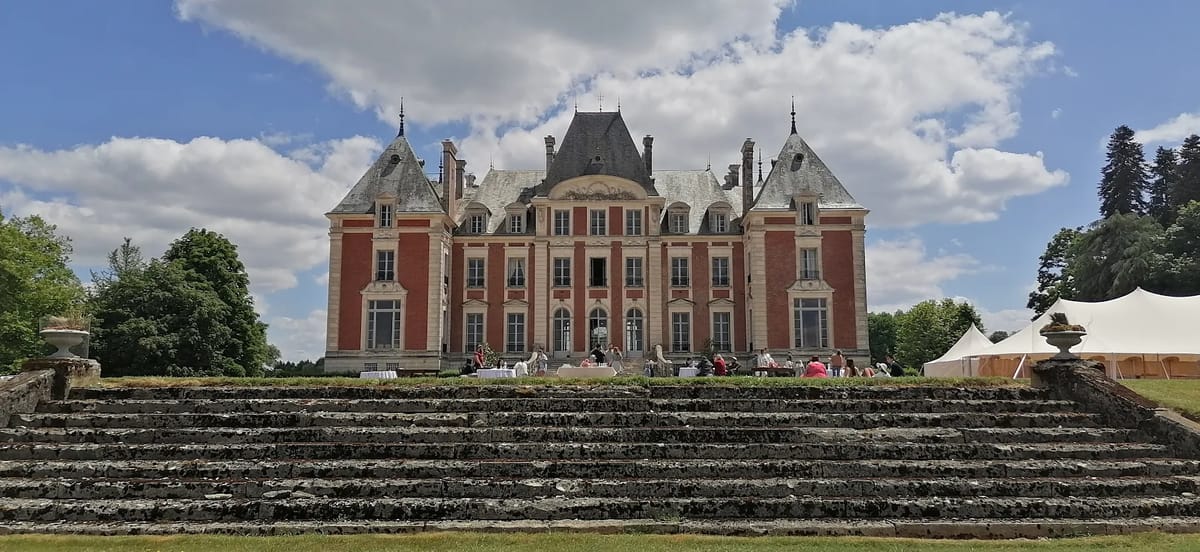
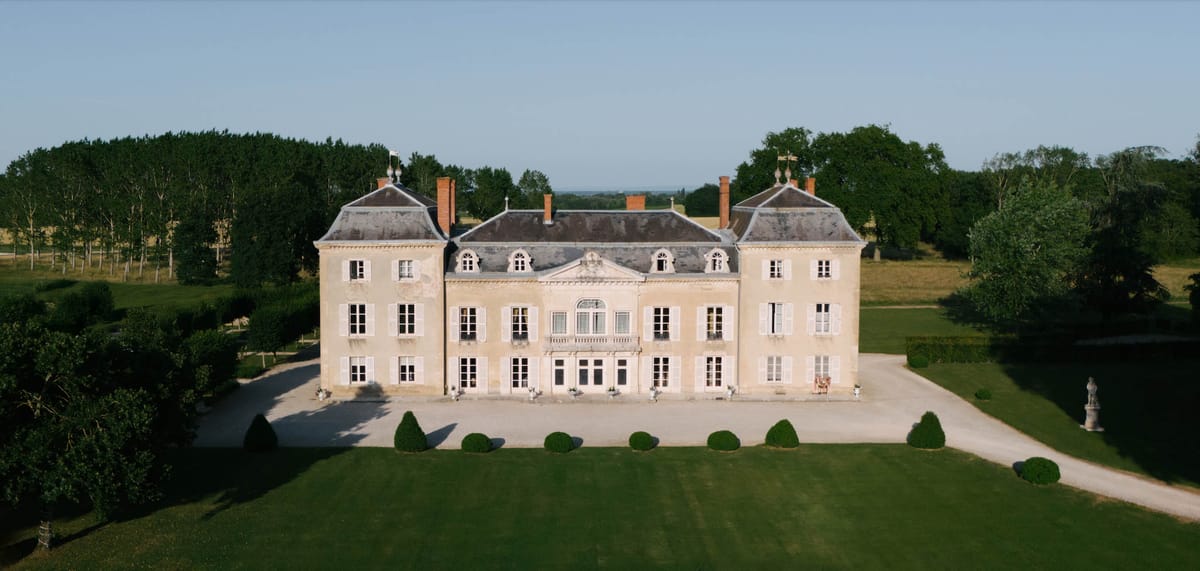
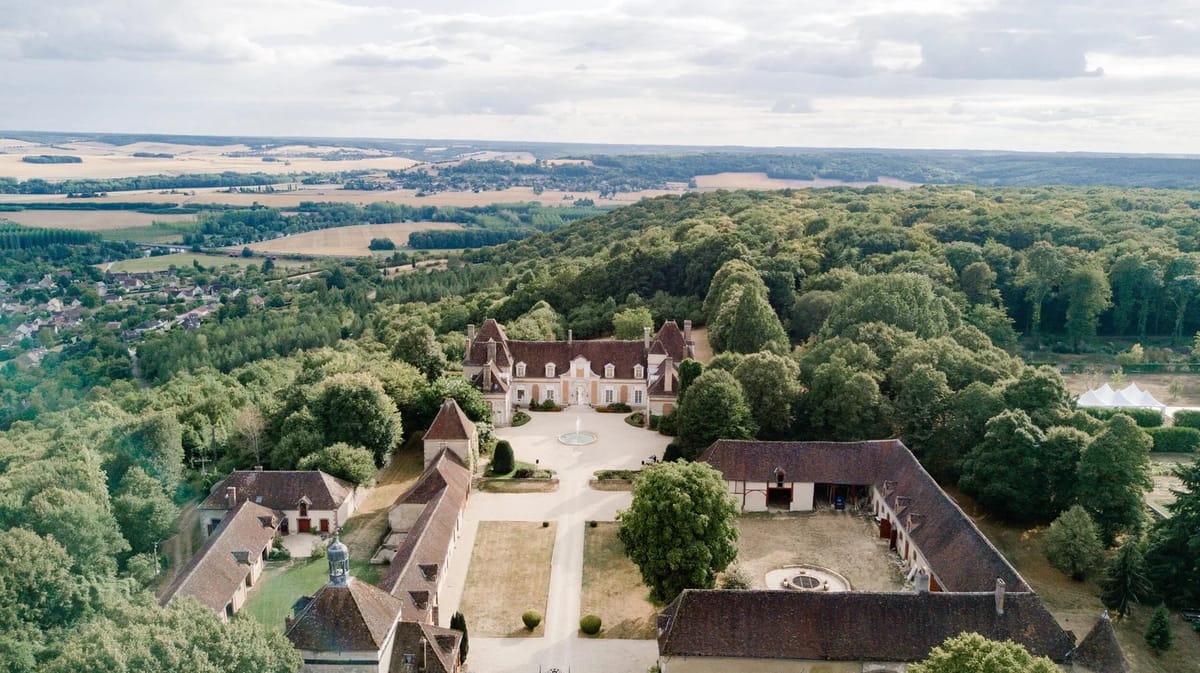
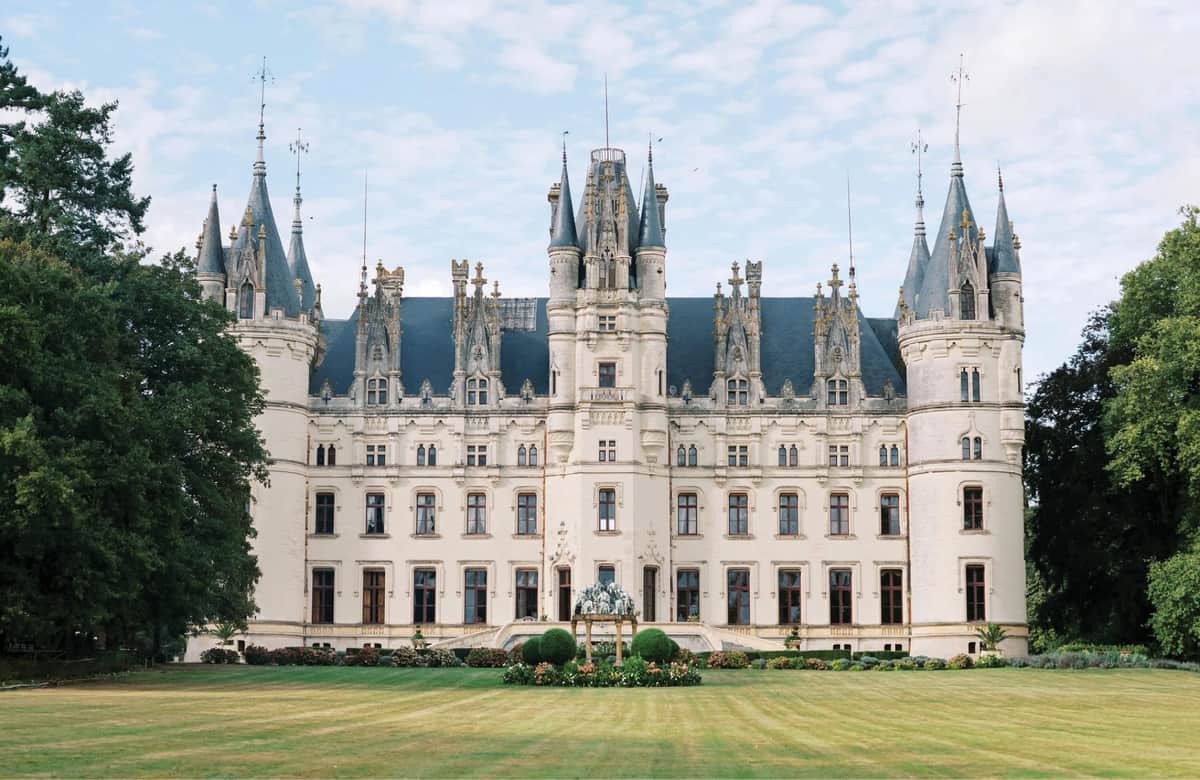
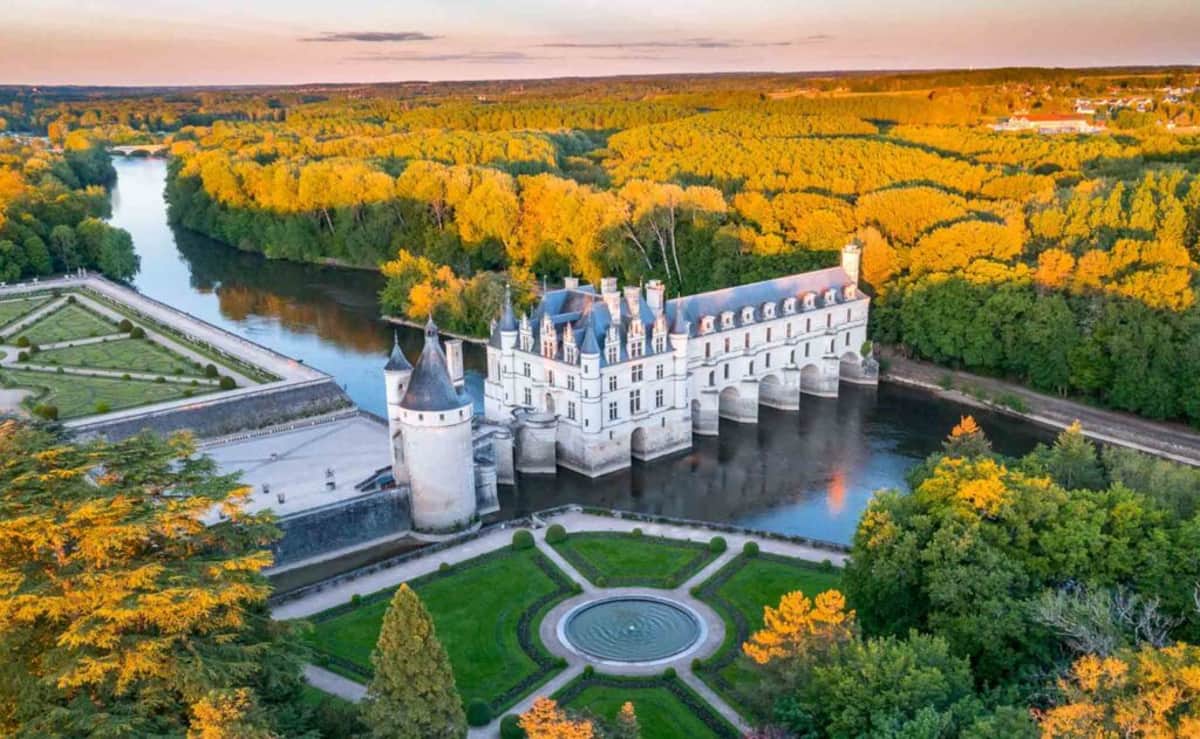
The second axis is architectural style: monastic Cistercian heritage (Ferté as the first daughter house of Cîteaux, the founding abbey of the Cistercian order; Maizières with intact medieval cloistered walkways) gives the wedding a quietly gravitas-led tone. Renaissance and aristocratic châteaux (Vallery with its 16th-century listed chapel and dovecote bridal suite; Arcelot with its Trianon vaulted-stone reception hall) carry a formal-grandeur style. Working agricultural and stone-barn properties (Planchevienne with Les Écuries 17th-century stone barn; Percey with the 560 sqm orangerie and 300 sqm terrace) carry an everyday-meets-grand style.
The third axis is travel-access positioning. The northern Yonne Valley sub-region sits within direct TER train access to Paris in 70 minutes, suiting weddings where guests route through Paris CDG. The Côte d'Or Beaune-area connects through Lyon-Saint-Exupéry in 90 minutes by car or to Paris in 90 minutes by TGV from Le Creusot or Beaune stations. The southern Saône-et-Loire cluster favours Lyon-Saint-Exupéry as the international airport with the A6 motorway as the connector. Couples whose guest list weights toward UK and US east-coast guests should weight northern Burgundy via direct CDG flights; couples whose guest list weights toward Continental European or transatlantic-via-Geneva guests should weight the Côte d'Or centre. Burgundy is one of the few French wine regions where wedding venues span this diversity of architectural style (Cistercian abbey to Renaissance château to working wine estate to 17th-century stone barn), capacity range (180 to 620 seated), and travel positioning at the density and authenticity that the region's thousand years of monastic and viticultural heritage make possible. No other French region carries this combination of wine-country credibility, architectural depth, and dual-airport accessibility.